




THE HISTORY OF THE CASTLE
Restauration et patrimoine au Château Saint-Chamarand
Château de Saint Chamarand, restauration et histoire
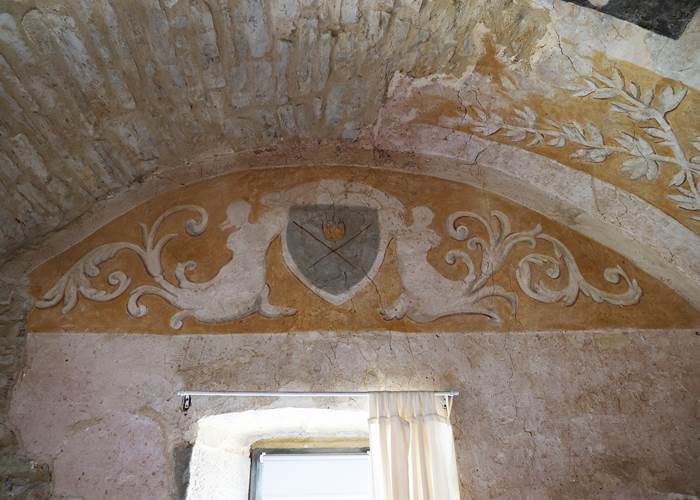
voute remarquable millénaire au Château de Saint-Chamarand dans le Lot
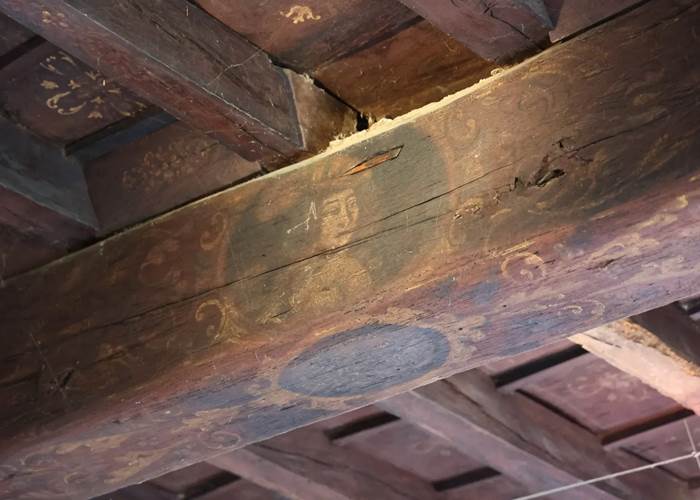
planché et peinture remarquable au Château de Saint-Chamarand dans le Lot
Patrimoine et curiosités historiques Château de Saint-Chamarand dans le Lot
Patrimoine et curiosités historiques Château de Saint-Chamarand dans le Lot
Restauration et patrimoine au Château Saint-Chamarand
Restauration et patrimoine au Château Saint-Chamarand
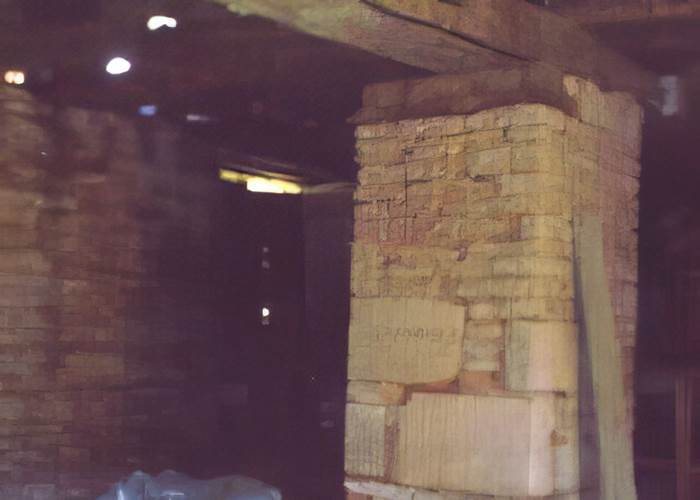
Restauration et patrimoine au Château Saint-Chamarand
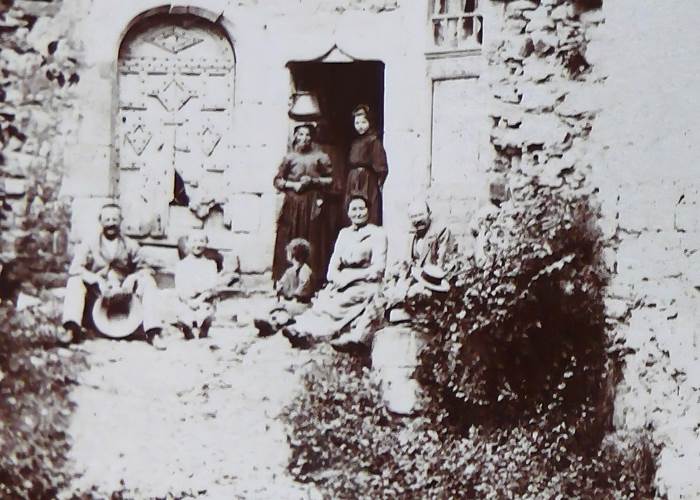
Restauration et patrimoine au Château Saint-Chamarand
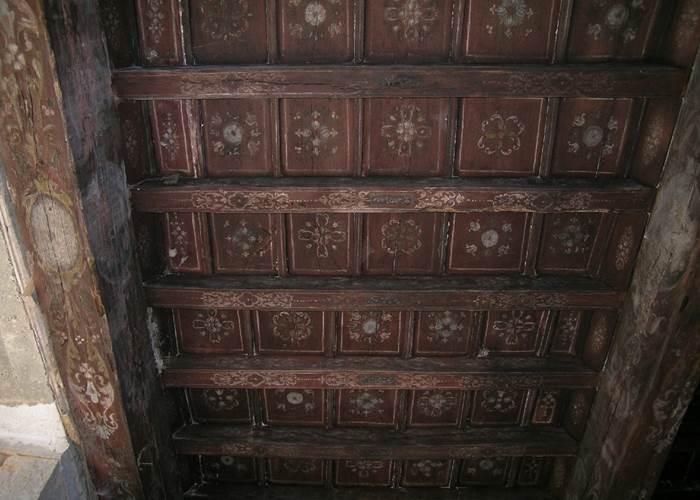
Restauration et patrimoine au Château Saint-Chamarand
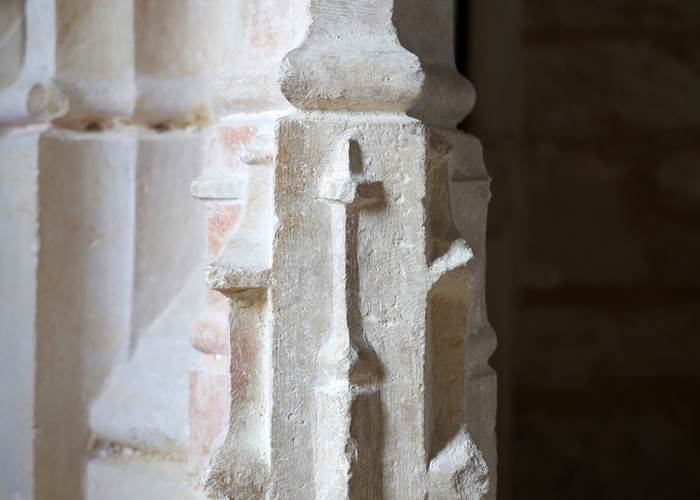
Patrimoine et curiosités historiques Château de Saint-Chamarand dans le Lot
Restauration et patrimoine au Château Saint-Chamarand
Restauration et patrimoine au Château Saint-Chamarand
Restauration et patrimoine au Château Saint-Chamarand
Patrimoine et curiosités historiques Château de Saint-Chamarand dans le Lot
Patrimoine et curiosités historiques Château de Saint-Chamarand dans le Lot
Restauration et patrimoine au Château Saint-Chamarand
Restauration et patrimoine au Château Saint-Chamarand
Restauration et patrimoine au Château Saint-Chamarand
Restauration et patrimoine au Château Saint-Chamarand
Restauration et patrimoine au Château Saint-Chamarand
Restauration et patrimoine au Château Saint-Chamarand
The lordship and castle of Saint Chamarand belonged to Aymeric and Géraud de Gourdon since 961.
Because of its location nestled between the hills, it was not a battleground, but rather a place for festivities. An undeniable advantage for the time was the proximity of the stream, which ensured a constant supply of fresh water to the residence.
The Gourdon family retained this fief until 1311, when their financial ruin forced them to sell the property to the "d'Auriole" family, who lived in the Gourdon region. The fief then passed to Pierre de Vassal through his marriage to Aygline d'Auriol.
In 1388, Guy de Peyronnencq acquired this castle. This powerful family occupied it until the mid-18th century. A residence of splendor and commercial exchange, the Château de Saint-Chamarand was also, for one night, a royal residence...
Indeed, history tells us that Louis XIII himself stayed here at the Château de Saint Chamarand before going to behead the Duke of Montmorency in Toulouse on October 30, 1632.
Exactly.
But why was the Duke punished in this way? Quite simply, for having conspired against the famous Cardinal Richelieu, the all-powerful minister of Louis XIII. Yet, the Duke of Montmorency had been very close to Louis XIII for years and served the sovereign in the Protestant Wars. It so happens that Richelieu, somewhat jealous, already resented the rise of this aristocrat who seemed to have everything going for him and who regularly distinguished himself in various battles. It was Richelieu who convinced Louis XIII to execute the influential Duke, something the king apparently did reluctantly.
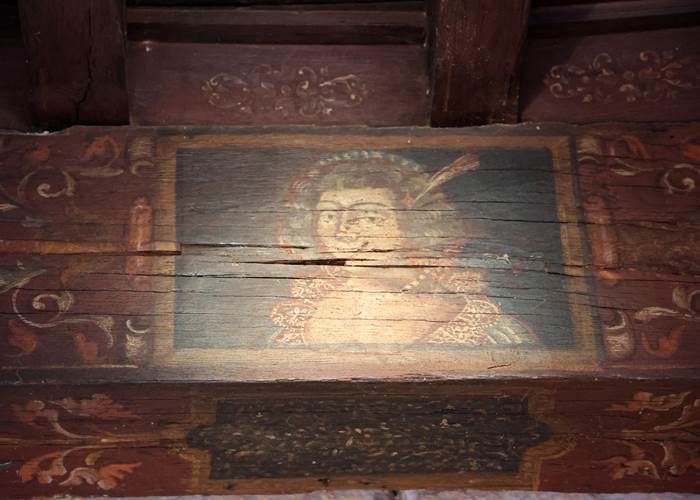
Today, a painting depicting the king sits enthroned in this room steeped in history.
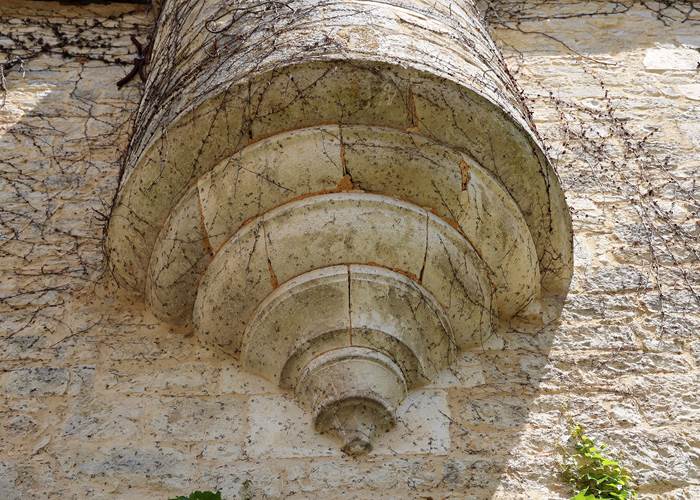
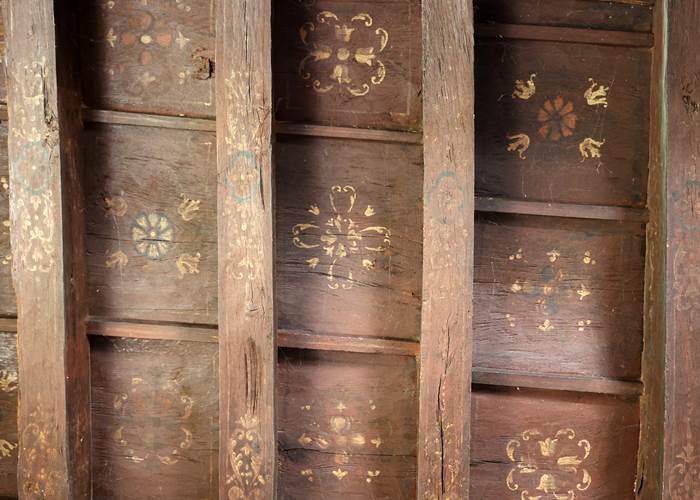
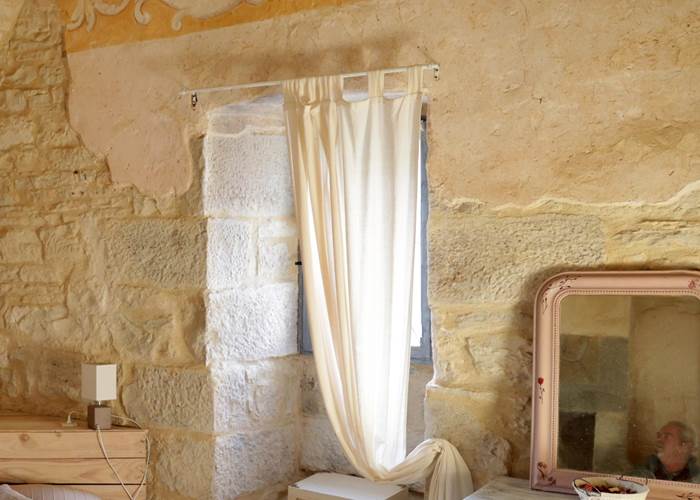
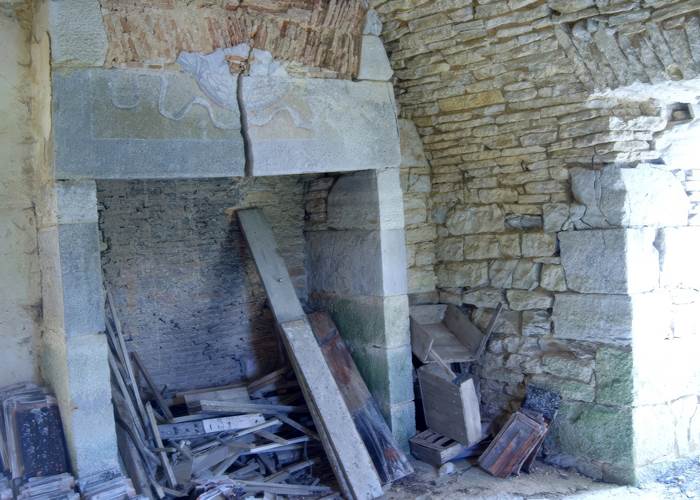
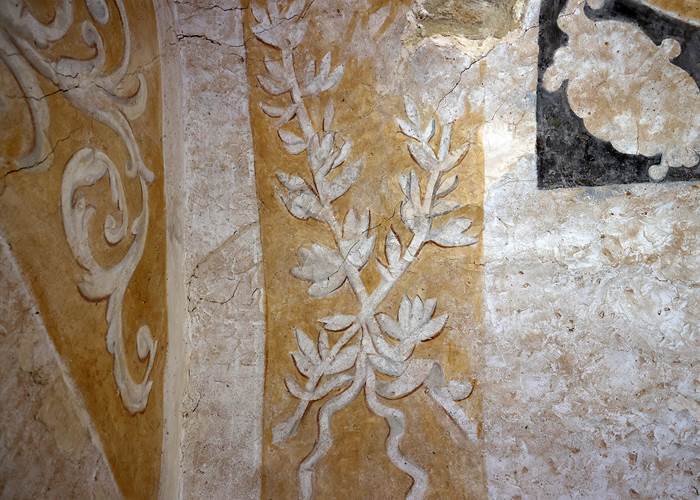
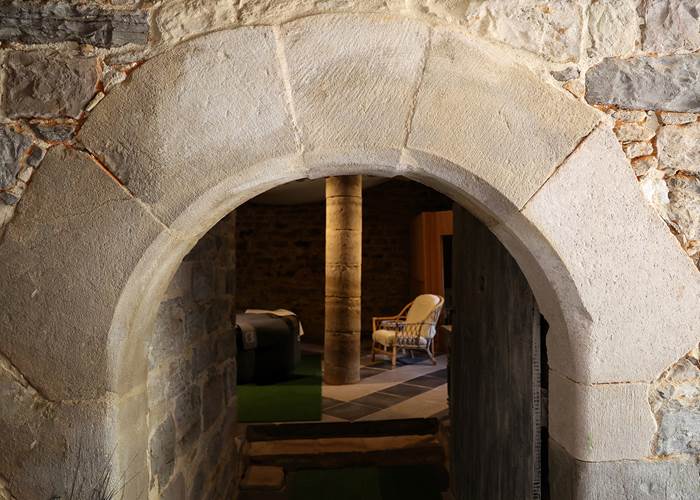
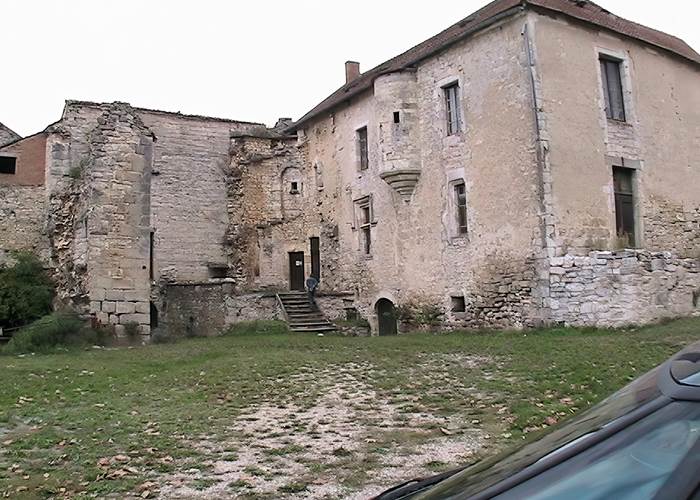
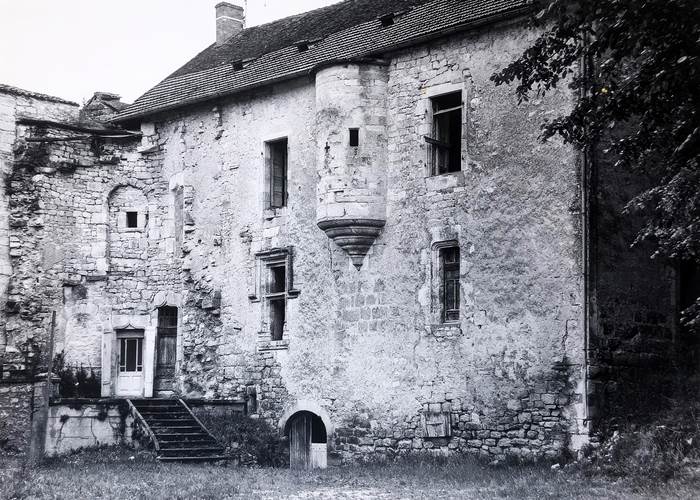
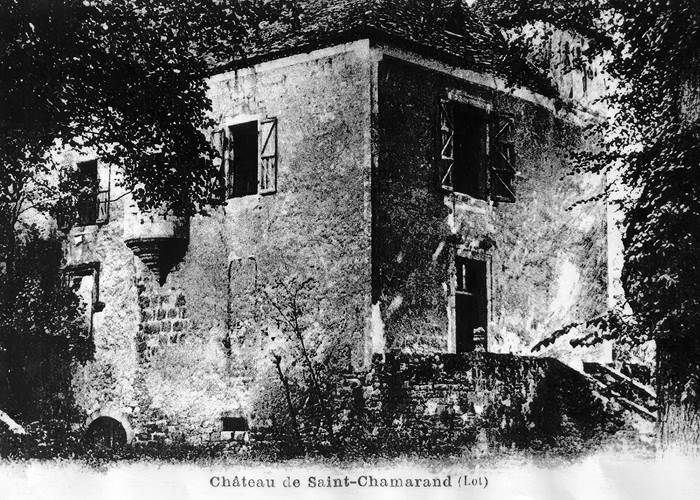
Significant alterations and new constructions were carried out in the 16th and 17th centuries. Some vestiges still remain in these walls: a door surmounted by a semicircular arch, a corbelled turret, 17th-century painted ceilings, and a beautiful Renaissance window.
In 1738, Louise de Peyronnencq, heiress of the lineage, married Jean de Calvimont, Baron of Saint Martial. During the Revolution, their son Jean Auguste Armand emigrated, and the castle was sold as national property and divided into several lots.
In 1789 Saint Chamarand was called Beauchamp
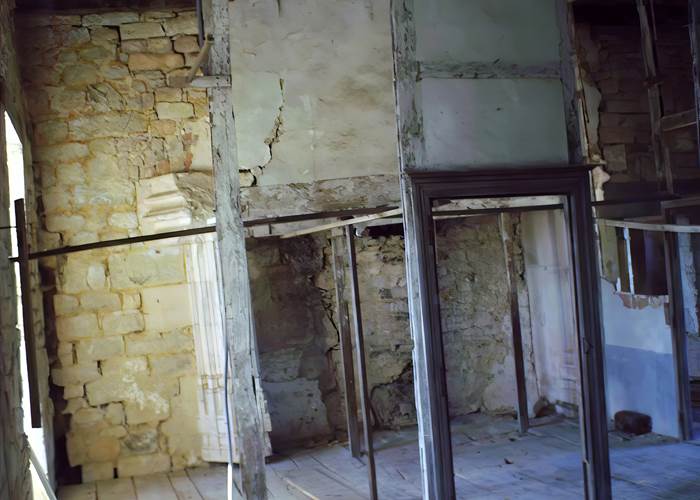
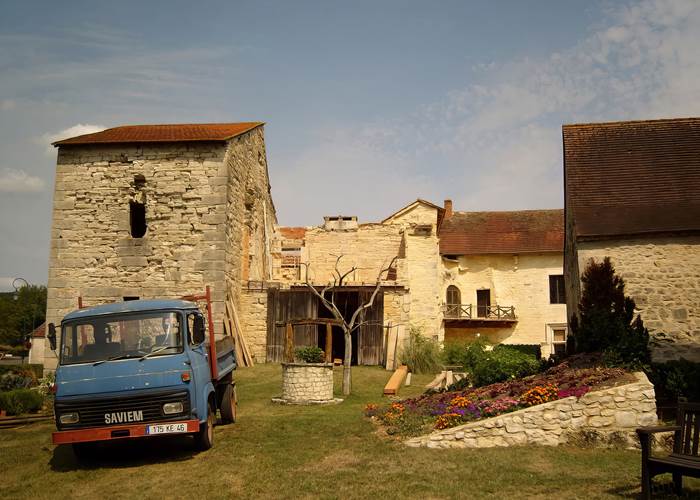
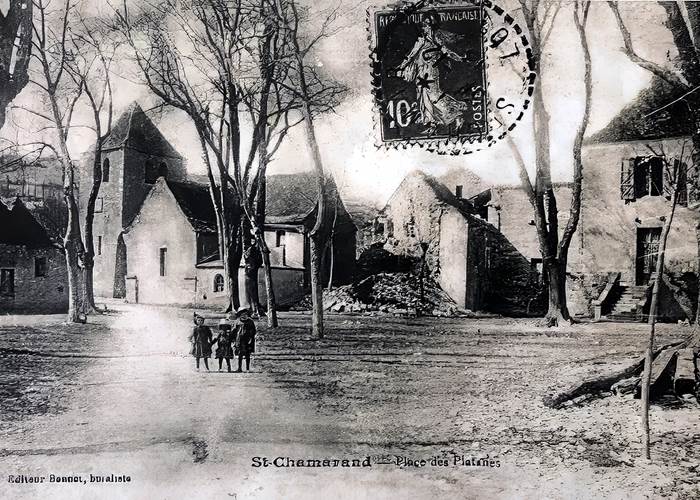
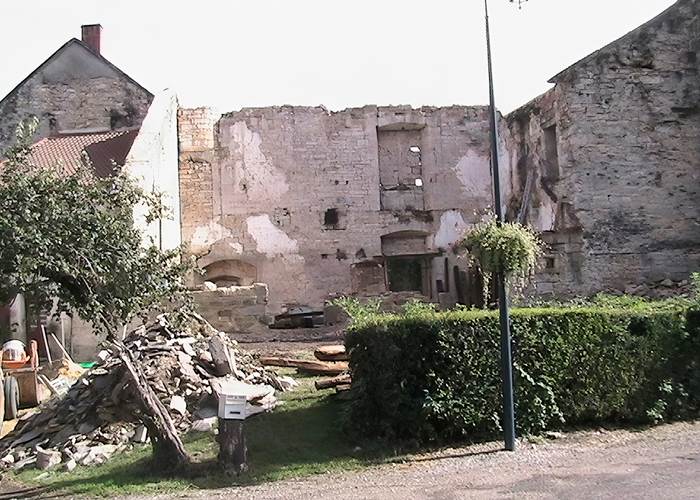
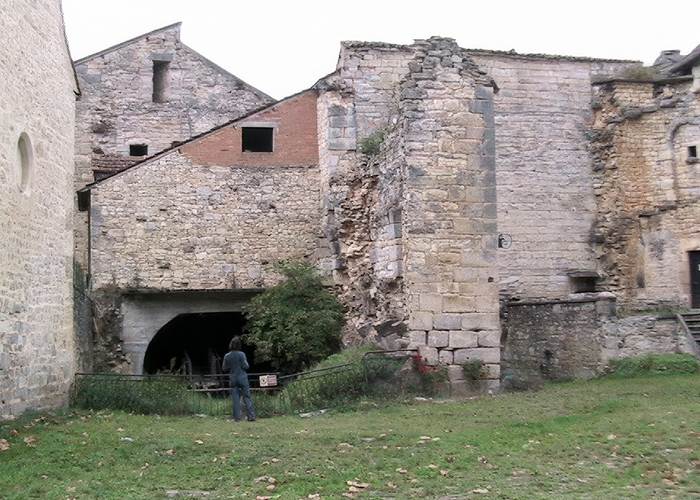
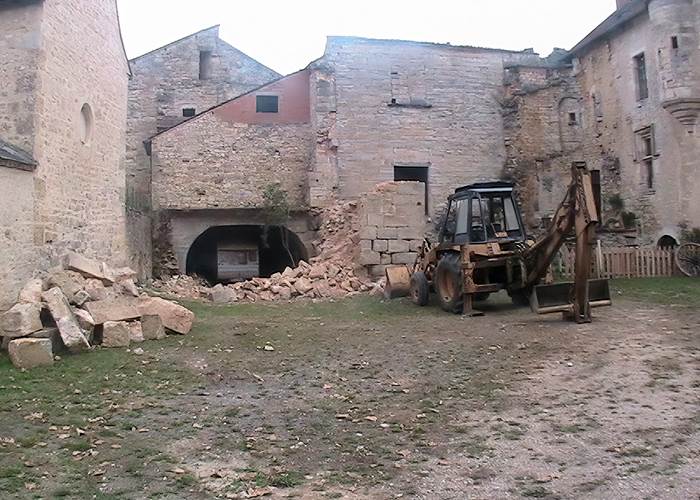
After the building was subdivided, it passed through the hands of several different owners. Between 1832 and 1931, civil records show a succession of families occupying the château throughout the century. These included merchants, innkeepers, landowners, farmers, and even butchers. Gradual neglect eventually led to its ruin. Today, a stroll through the peaceful village streets allows you to see remnants of the château incorporated into the surrounding buildings.
In poor condition, the former owner, Mr. Wood, carried out a magnificent restoration work on the house for almost 20 years.
The adventure and this historical restoration work continues today with the new owners Bruno WAGNER & Marjolaine LAPASCALIE ;)